If every match on television has felt like a rolling commercial for another accumulator, you are not imagining it. A new analysis says British gambling companies now spend about £2bn a year on advertising and marketing across TV, stadiums and the internet.
That wall of promotion has collided with politics. With public finances stretched and concern about addiction growing, ministers have turned that spending spree into Exhibit A for a tougher tax regime on the industry.
How sports betting ads multiplied
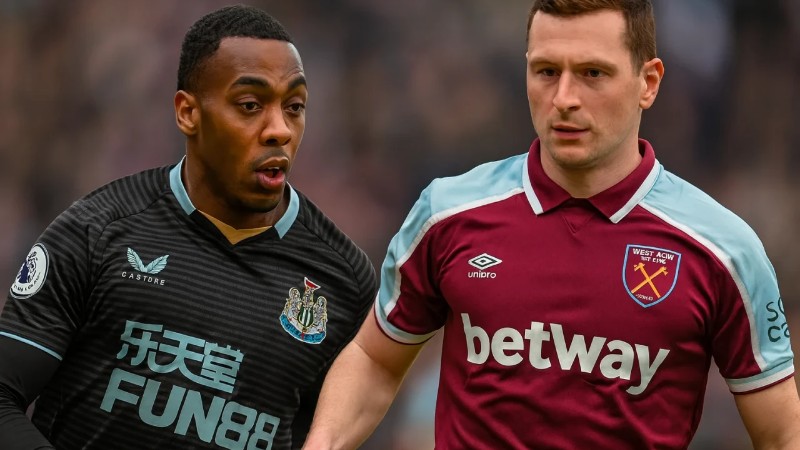
During a typical football broadcast, gambling brands dominate ad breaks, pitch-side hoardings and sports betting ads on many shirts. Once shirt deals, digital banners and affiliate promotions are bundled together, analysts put annual gambling marketing at roughly £2bn, with some arguing the real total is higher.
Set beside that is what the state takes back. Recent figures point to £1.2bn in duties from online casino games and roughly £2.5bn once other gambling taxes are counted. Treasury committee members say that gap weakens talk of collapse, even as the main trade body disputes the numbers and warns that squeezing margins will push customers toward offshore sites.
Campaigners also want pressure on visibility, noting that Premier League clubs have agreed to remove front-of-shirt gambling logos by the 2026–27 season, after an official league statement.
Where the smart money moves
On November 26, 2025, the chancellor confirmed a major reset. Remote gaming duty on online casinos will leap from 21% to 40% in April 2026, while tax on online sports bets will climb from 15% to 25% in 2027, changes officials expect to raise about £1.1bn a year.
Supporters say higher rates on online games reflect evidence that they generate more harm than betting shops and will help fund wider social spending.
Opponents counter that the move will cut investment and jobs and risk pushing players away from regulated sites, pointing to the Netherlands, where a ban on untargeted gambling ads that began on July 1, 2023 has been followed by worries over illicit websites, a debate explored in the Netherlands case. For fans, future seasons will show whether this mix of higher duties and tighter rules genuinely cuts back sports betting ads or merely nudges them into new formats.