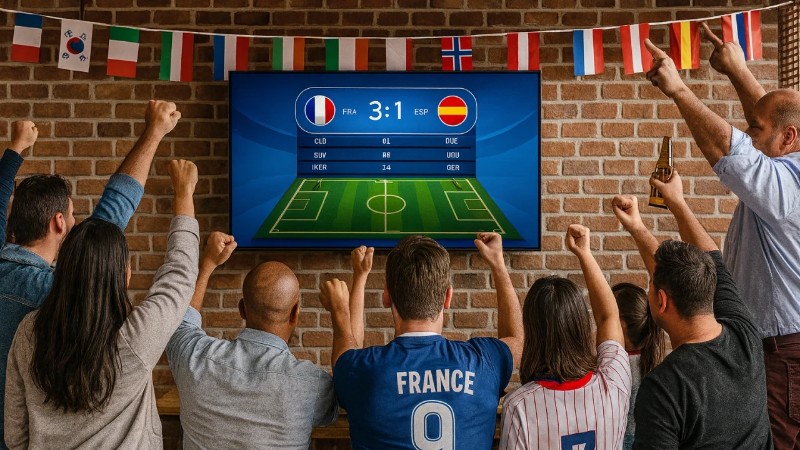
If it feels like every game break comes with a nudge to download another betting app, you are not imagining it. A 2018 court ruling cleared the way for legal sports wagering in dozens of states, and sportsbooks rushed in like a two-minute drill.
Since then, the legal gambling boom has collided with modern advertising technology. The global online gambling business is worth tens of billions of dollars a year, with one market report projecting strong growth through 2030, and sports betting ads have become the neon sign pointing toward that pile of potential revenue.
Sports betting ads everywhere
Turn on a game and you can count the pitches: pregame studio odds segments, in-game graphics, half-time promos, postgame boosts. Between 2020 and 2023, gambling companies in the United States poured billions of dollars into advertising as new state markets launched and national campaigns took over.
They are not just buying TV slots. Social feeds, podcasts, jersey patches, and push notifications all work together so that many fans see the same sportsbook logo again and again. The pitch is simple: betting is framed as another layer of fandom, as casual as ordering wings with the game.
That saturation is not landing evenly. Studies of gambling marketing show that many teenagers encounter betting promotions often, and an audit in Massachusetts found ads reaching both minors and people already flagged for gambling problems. For people trying to stay away from wagering, that is less entertainment and more digital nagging.
Finding guardrails without killing fun
Policymakers are trying to dial things back without yanking the plug on legal betting altogether. In Massachusetts, a proposal dubbed the Bettor Health Act would ban in-game prop bets and take most sports betting ads off televised games. Around the United States, other bills would cap when gambling commercials run and how closely they can trail people across apps and devices.
Countries with experience managing legal gambling are testing stricter tools: watershed hours for betting commercials, limits on team sponsorships, and tighter rules for bonus offers. Industry numbers show advertising spend edging down from early 2020s highs, hinting that the era of blanketing every break with sports betting ads may have peaked. If that holds, the operators that thrive will be the ones winning loyalty with sensible limits, clear odds, and the occasional choice not to shout during timeouts.