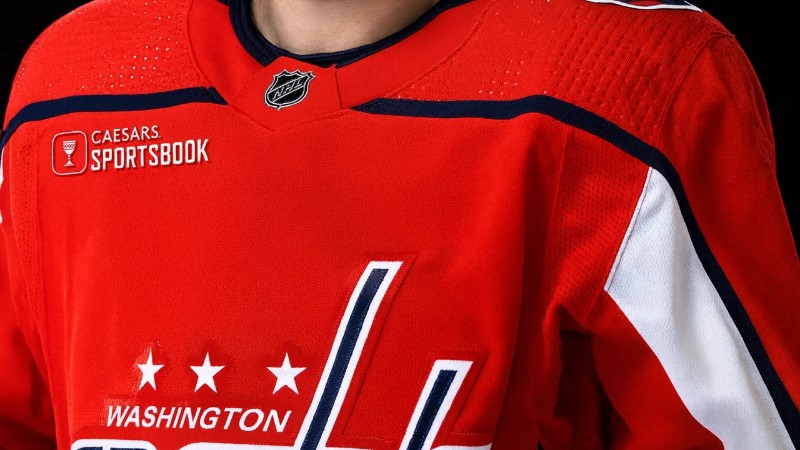
If every hockey game feels like it comes bundled with a stream of betting odds, you are not imagining it. NHL sweaters and helmets now carry gambling brands stitched into the action, a sign of how firmly gambling ads have settled into the sport’s everyday atmosphere.
Across the Atlantic, one of the world’s richest soccer leagues is preparing to kick those same logos off its most valuable real estate, even as the money remains huge on both sides.
How gambling ads landed on frozen laundry
The NHL’s on-uniform ad era is still new. Helmet ads arrived for the 2020–21 season, jersey patches followed in 2022–23, and 2025–26 is now the fourth campaign with gambling logos on players’ gear. Team sponsorship revenue hit about $1.53 billion in the 2024–25 season, as highlighted in a recent report, with jersey patch deals typically between $3.4 million and $4.2 million a year.
Gambling brands are highly visible inside that boom. In Alberta, Play Alberta has snapped up home jersey space for both the Edmonton Oilers and Calgary Flames, while the province’s responsible gambling program, GameSense, appears on helmets.
On the road, the Oilers switch to climate-tech company Karbon-X on their away jerseys, a workaround under rules that keep betting logos out of markets where sports wagering is not legal. Some fans shrug; others see a casino logo beside a classic crest and feel like someone slapped a sticker on a vintage album cover.
When the ads backfire
Soccer is already living with the hangover. In April 2023, clubs in England’s top division signed a formal agreement to remove gambling brands from the front of shirts by the 2026–27 season. Betting firms still dominate sleeves and LED boards, but the chest is on a countdown, and under-18 players cannot wear gambling logos at all, already producing teenage debuts in sponsorless shirts.
That looming deadline has triggered a final rush for cash. Nottingham Forest brought in Bally’s as a front-of-shirt partner for the 2025–26 season, knowing this style of deal will soon vanish. The NHL sits closer to the “cash in” end, leaning on betting money to boost franchise values and fund tech upgrades and fan festivals. The question is whether hockey eventually follows soccer, scaling back logos once the social and political costs feel heavier than the checks.