Author name: PPCJuice

What you need to know about Google’s search engine overhaul
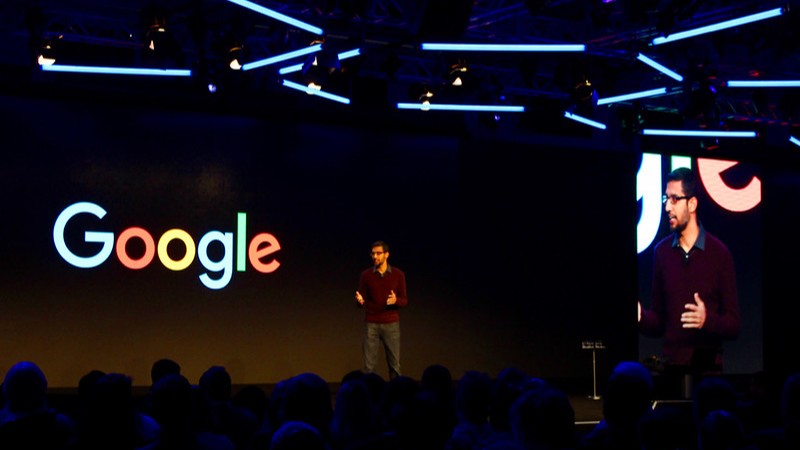
Sundar Pichai, tags: search engine - danicuki via Flickr
Feature Updates

Big changes are happening at Google, and they’re all about staying ahead in a world where artificial intelligence (AI) is transforming how we search for information and marketing in general. These updates reflect the tech giant’s response to shifting user needs and growing competition in the search market. Key Takeaways Google’s search engine overhaul prioritises high-quality content and incorporates artificial intelligence (AI) to provide more helpful results for users. Search Generative Experience (SGE) places AI-generated summaries at the top of search results, affecting websites that rely on organic clicks. Google Ads is transforming with AI, enabling better audience targeting, real-time bidding, and automated ad creation. Businesses must adapt their strategies to focus on high-quality content, explore new search features, and adjust budgets to capture opportunities in the AI-driven search landscape. Google search updates The November 2024 core update. On November 11, Google began rolling out its latest core update, which will take about two weeks to complete. This update is all about improving the quality of search results by prioritising content that’s genuinely useful while filtering out low-quality material. It’s part of Google’s ongoing effort to fine-tune its algorithms and make search more helpful for everyone. Search Generative Experience (SGE). One of the more noticeable changes is the introduction of Search Generative Experience (SGE). This feature places AI-generated summaries right at the top of search results. Whilst this makes it easier to get answers quickly, it’s shaking things up for websites that rely on organic clicks. If you’re a business, this means it’s time to rethink your SEO strategies because the old rules might not apply any more. A more streamlined experience. Earlier this year, in June, Google scrapped infinite scrolling on desktop searches and replaced it with a “More Results” button. This small but significant tweak makes it easier to navigate through search pages without feeling overwhelmed. How Google Ads is adapting to a new era of AI Google Ads is undergoing a significant transformation thanks to artificial intelligence (AI), which is reshaping how businesses connect with their audiences. These changes are all about boosting ad performance and adapting to how people’s online behaviours are evolving. With AI at the core, Google Ads now makes it easier for advertisers to target the right audiences, adjust strategies in real time, and create engaging ad content more efficiently. AI plays a big role in understanding audiences. By analysing huge amounts of data—like browsing habits and demographics—it identifies the people most likely to click on an advert or make a purchase. This precision means fewer wasted ad pounds and higher click-through rates, helping advertisers get more value for their efforts. When it comes to managing ad budgets, AI takes the guesswork out of bidding. Instead of manually adjusting bids, advanced algorithms now handle it automatically, ensuring ads are shown in the right places at the right price. On top of that, AI also simplifies ad creation by crafting messages designed to resonate with specific audiences, saving time and making the whole process much more effective. A future of search awaits As Google integrates more advanced artificial intelligence (AI) into its platforms, the advertising landscape is evolving at an unprecedented pace. These changes are reshaping how businesses reach their audiences, demanding new strategies to stay competitive. Try Performance Max campaigns. If you’re not already using Performance Max, it’s time to start. It lets you run campaigns across multiple Google platforms, using different types of assets and adjusting in real time for better results. Leverage data-driven insights. Make the most of AI-powered tools to get a deeper understanding of your campaign performance and audience behaviour. These insights can help you make smarter decisions and improve your results. Adjust your budget. With all these changes happening in search, it might be a good idea to shift some of your budget from traditional SEO to Google Ads. This way, you’ll be able to capture new opportunities created by the latest search features. Final Thoughts AI is transforming Google’s search engine and advertising platforms, offering smarter, more intuitive results for users. For businesses, this means adapting strategies to focus on high-quality content, embracing new search features, and exploring tools like Performance Max campaigns to stay competitive. Google Ads has also evolved, with AI enabling better audience targeting, real-time bidding, and automated ad creation. To succeed, businesses need to adjust their strategies and budgets to capture new opportunities in the AI-driven search landscape. The future of search is here, and businesses must embrace these changes to remain relevant and thrive in an increasingly AI-powered digital world.


Google faces CCI probe over Real-Money Gaming (RMG) restrictions and market dominance

Google Faces Fresh Heat in India Over Alleged Anti-Competitive Practices, Concept art for illustrative purpose, tags: gaming - Monok
Policy Updates

The Competition Commission of India (CCI) is investigating Google for alleged anti-competitive practices following a complaint by WinZO, an Indian online gaming platform. WinZO accuses Google of unfairly restricting real-money gaming (RMG) apps on the Play Store, forcing users to sideload them. This, they claim, harms revenue and reputation due to Google’s malware warnings deterring downloads. WinZO’s complaint highlights Google’s restrictions on RMG apps, linked to gambling-like mechanics and compliance with gambling-related policies. The CCI is assessing whether Google’s policies abuse its dominant market position under Indian competition law. A ruling against Google could result in significant policy changes, opening opportunities for other players in the gaming industry. These restrictions also impact advertisers, as platforms like WinZO struggle to effectively reach audiences, limiting ad campaign success and ROI. Ambiguity in Google policies Industry experts have also raised concerns about the lack of clarity in Google’s Play Store policies, particularly regarding compliance requirements for real-money gaming apps. This ambiguity creates challenges for developers seeking to navigate regulatory and platform-specific guidelines, potentially discouraging innovation in the gaming sector. Critics argue that transparent and consistent policies would help ensure fair competition while boosting trust among developers and advertisers alike. This investigation parallels Google’s scrutiny in the UK, where the Competition and Markets Authority or CMA examined monopolistic behaviours. While the agency closed its investigation, it plans to address these issues under the upcoming Digital Markets, Competition, and Consumers Act (DMCCA). The case in India may influence Google’s global gambling advert policies, including anticipated updates for next year. India’s growing gaming market India, with over 400 million gamers, represents a booming market. However, restrictive policies hinder both app distribution and advertising. Aligning Play Store and ad policies could benefit platforms like WinZO by enabling broader advertising access and supporting the gaming ecosystem’s growth. The CCI’s findings may set a global precedent, encouraging fairer practices and greater competition. A fair ruling could push Google to harmonise its app and ad policies, ensuring compliance while fostering innovation and competition in digital markets worldwide.

Upcoming 2025 PPC trends: How technology is reshaping digital advertising

business w h, tags: 2025 - images.pexels.com
Digital Marketing

Pay-per-click (PPC) advertising continues to evolve, driven by new technologies and shifting consumer behaviour. With 2025 on the horizon, businesses are preparing for major changes in how they manage and execute their campaigns. From advanced tools to ethical marketing practices, staying competitive means embracing these shifts. Looking ahead, projections indicate that global digital ad spend will approach $800 billion (£630 billion) by 2025. This increase comes as advertisers leverage advancements like artificial intelligence (AI), voice search optimisation, and data privacy measures. To stay ahead, marketers are adopting strategies that not only boost conversions but also align with consumer expectations. First off, artificial intelligence has become a cornerstone of PPC advertising. Tools powered by AI can analyse vast amounts of data in seconds, helping marketers make smarter decisions. Predicting user behaviour, crafting personalised ad copy, and optimising budgets are just a few ways AI is revolutionising the field. For example, machine learning enables platforms to build detailed audience profiles based on browsing history and past interactions. These insights allow businesses to deliver ads tailored to specific needs, boosting click-through rates and reducing wasted spend. As competition increases, integrating AI into campaigns will be essential for success. Key Takeaways As technology continues to evolve, digital advertising is undergoing significant changes in 2025, driven by advancements like AI, voice search optimisation, and data privacy measures. Artificial intelligence (AI) is revolutionising PPC advertising by analysing vast amounts of data, predicting user behaviour, and crafting personalised ad copy. Voice search is reshaping digital advertising, requiring businesses to adapt their keyword strategies and focus on natural-sounding phrases and question-based keywords. First-party data becomes a priority as third-party cookies phase out, with marketers turning to collecting information directly from customers through websites, apps, and newsletters. Voice Search changes keyword strategies With devices like Amazon Alexa and Google Assistant gaining popularity, voice search is reshaping digital advertising. Users often phrase voice queries differently than text searches, using conversational language and longer keywords. Businesses must adapt by focusing on natural-sounding phrases and question-based keywords. Voice search optimisation isn’t just about keywords; it’s also about timing. Many voice searches are made on the go, so targeting users with location-specific adverts or quick purchasing options can be highly effective. Ignoring this trend risks missing out on a growing segment of tech-savvy consumers. First-party data become a priority As third-party cookies phase out, marketers are turning to first-party data to fuel their campaigns. Collecting information directly from customers through websites, apps, and newsletters gives businesses more control over targeting whilst respecting privacy laws. This shift highlights the importance of building trust with users. Clear communication about data usage and offering value in exchange for personal information—like discounts or exclusive content—can encourage customers to share their preferences. First-party data not only strengthen PPC efforts but also foster long-term customer loyalty. E-commerce and cross-platform adverts will gain traction E-commerce platforms are increasingly integrated with PPC campaigns, streamlining the customer journey. Ads on Google Shopping or Amazon often lead directly to product pages, simplifying the purchasing process. This trend benefits both advertisers and shoppers by reducing friction and speeding up transactions. In 2025, expect to see more brands using PPC to drive immediate sales. Dynamic adverts showcasing in-stock items, discounts, or related products will play a key role in attracting buyers. For smaller businesses, these integrations provide a cost-effective way to compete with larger retailers. Meanwhile, consumers interact with brands across multiple platforms, from social media to streaming services. To capture attention, advertisers are creating cohesive campaigns that span different channels. For example, a customer might see a Facebook ad, follow up with a Google search, and complete their purchase via an email offer. Managing these multi-channel campaigns requires advanced tools and analytics to ensure consistency. Advertisers who master cross-platform strategies can reach broader audiences and reinforce their messages at every stage of the buyer journey. Ethical advertising gains importance Sustainability and social responsibility are becoming key factors in marketing decisions. Consumers increasingly support brands that align with their values, making ethics a powerful differentiator in PPC campaigns. Ads promoting eco-friendly practices, charitable initiatives, or inclusivity can resonate deeply with modern audiences. Highlighting these values isn’t just good for the planet—it’s also good for business. Research shows that companies with strong ethical practices enjoy higher brand loyalty and customer retention. As public awareness grows, incorporating socially responsible messaging into PPC strategies will become even more critical.

Common Google Ads mistakes that drain your PPC budget

10 Common Google Ads Mistakes That Are Wasting Your PPC Spend, Concept art for illustrative purpose - Monok
Digital Marketing

Are you losing money on Google Ads without seeing the returns you hoped for? Many businesses unknowingly make mistakes that eat into their pay-per-click (PPC) budgets, often leaving them frustrated with poor results. It’s widely recognised that various factors, such as clicks from bots and fake user profiles, can lead to wasted ad spend. According to recent reports, data collected by Lunio indicates that typically 10-20% of ad spend is wasted on such invalid clicks. These errors add up, turning what could be a powerful marketing tool into a financial drain. Whether you’re new to Google Ads or have been running campaigns for years, it’s essential to spot these common pitfalls. Fixing them can save you thousands and improve your overall return on investment (ROI). Let’s dive into the most common Google Ads mistakes and how to fix them. Key Takeaways Many businesses unknowingly make mistakes that drain their Google Ads pay-per-click budgets, resulting in poor results. Neglecting proper keyword research can lead to irrelevant clicks and wasted ad spend. Weak Ad copy and poor landing pages can result in low click-through rates and unconverted leads. Mismanaging your budget by not adjusting it based on performance or using automated bidding strategies can lead to waste and underperformance. Neglecting proper keyword research Keywords are the backbone of any Google Ads campaign. Without detailed research, your ads might attract the wrong audience. One frequent mistake is targeting overly broad keywords. For instance, bidding on generic terms like ‘shoes’ instead of specific ones like ‘affordable trainers for men’ often results in irrelevant clicks. Using tools like Google Keyword Planner or SEMrush can help you identify high-performing keywords that match user intent. Don’t forget to add negative keywords—terms you don’t want your advert to appear for. For example, if you sell premium products, adding ‘cheap’ as a negative keyword can filter out unqualified leads. Another common issue is failing to refine your audience targeting. Google Ads offers options to target specific demographics, locations, and interests. Taking advantage of these features ensures your budget is spent reaching people most likely to convert. Weak advert copy and poor landing pages Even the best keywords won’t save you if your ad copy fails to engage. Adverts with vague or uninspiring text tend to have low click-through rates (CTR). A successful advert grabs attention immediately with a strong headline and clear call-to-action. For example, instead of ‘Buy Now,’ a phrase like ‘Shop Today for 20% Off’ can make a significant difference. The journey doesn’t stop at the advert itself. If your landing page doesn’t deliver what the advert promises, users will leave without converting. This increases bounce rates and wastes ad spend. Each campaign should have a dedicated landing page tailored to its message. Ensure these pages are mobile-friendly, quick to load, and easy to navigate, as over 50% of traffic now comes from mobile devices. Mismanaging your budget Budget allocation is another area where businesses struggle. Spending too little on a campaign might mean your ads aren’t shown enough while overspending without a clear plan leads to waste. Many businesses fail to adjust their budgets based on performance, missing opportunities to scale successful campaigns. One way to avoid this mistake is by setting clear budget goals backed by data. Use insights from previous campaigns to determine the right amount to allocate. Automated bidding strategies, like Target CPA (Cost Per Acquisition) or Maximize Conversions, can also help distribute your budget effectively, ensuring better results for your spending. Overlooking campaign monitoring Running a Google Ads campaign isn’t a ‘set it and forget it’ process. Failing to monitor your campaigns regularly can cause small issues to spiral into significant problems. Metrics like CTR, cost per click (CPC), and conversion rates provide valuable insights into what’s working and what isn’t. Regularly reviewing performance reports allows you to make data-driven adjustments. For example, if a particular ad group underperforms, reallocating resources to higher-performing ones can maximise your ROI. Google Ads also offers automated tools to help track campaign performance, but human oversight remains crucial to catch nuances and adjust strategies. There you have it! Avoiding these common mistakes can significantly improve the efficiency of your Google Ads campaigns. Focus on proper keyword research, write engaging ad copy, improve your landing pages, and keep a close eye on your campaigns. Make every pound work harder and see your campaigns succeed.

Google and Apple face lawsuit for alleged role in illegal gambling distribution

Google and Apple Face Lawsuit for Alleged Role in Illegal Gambling Distribution, Concept art for illustrative purpose - Monok
Policy Updates

A new lawsuit has been filed against tech giants Google and Apple, alleging their involvement in the distribution of illegal gambling software across New Jersey and other states in the United States. The lawsuit, filed on November 27, 2024, targets Apple and Google’s involvement in hosting casino and sweepstakes apps, a growing industry embroiled in controversy due to strange operating models and regulatory variations. Manipulative practices and unlawful enterprise The legal documents assert that these platforms engage users with “Game Coins” for play and offer “Sweeps Coins”, which are allegedly redeemable for cash and prizes but frequently withhold payouts based on arbitrary reasons. The primary complainant, Julian Bargo, alleges that his financial wellbeing has been severely impacted by the exploitative methods used by these sweepstakes casinos. This particular case is noteworthy for its reliance on the federal RICO Act (Racketeer Influenced and Corrupt Organisations), alleging that Google and Apple are operating in conjunction with a long-standing criminal syndicate. The lawsuit has brought attention to lawmakers’ initiative to introduce regulations on online sweepstakes gaming via the Model Internet Gaming Act. In contrast, industry leaders like Australia-based Virtual Gaming Worlds have thrived in this market. Revenue figures and sponsorships With net earnings totalling £254 million in 2023, as per information provided by iGaming Business, Virtual Gaming Worlds was able to invest in prestigious sponsorship opportunities and team up with influential celebrities for promotional purposes. Platforms that offer sweepstakes casinos have achieved impressive financial gains, highlighting the high stakes at play economically. While critics argue that social casinos essentially turn smartphones into unregulated gambling devices, most platforms appear to operate within current applicable laws, which vary by state. Unlike traditional brick-and-mortar casinos, sweepstakes operators successfully evade paying gaming taxes and often establish their operations in jurisdictions outside of the country. This legal action has brought into focus the role that prominent tech corporations play in allowing and potentially profiting from the operations of these unregulated gaming platforms.

Mastering PPC: When to test, when to experiment, the difference, and why both matter

The Art of PPC Experimentation: Balancing Testing and Exploration, Concept art for illustrative purpose, tags: experimentation - Monok
Digital Marketing

Running a PPC (pay-per-click) campaign can feel like a juggling act. There are so many moving parts—adverts, budgets, keywords—and it’s easy to wonder if you’re doing it right. If you’ve ever found yourself asking, Should I tweak what I’ve already got or try something entirely new? you’re not alone. That’s where PPC testing and experimentation come in. At first, these two strategies might seem like the same thing, simple methods to figure out what works. But they’re actually quite different. Testing is about perfecting the details, whilst experimentation is about exploring new possibilities. Both are valuable, and knowing when to use each can make a big difference in how your campaigns perform. Let’s dive into what these approaches mean and how you can use them. Key Takeaways Mastering PPC requires understanding when to test and experiment, two distinct strategies that perfect existing campaigns and explore new possibilities. PPC testing involves fine-tuning what’s already working by tweaking small details such as headlines or images to maximise results. Experimentation is about stepping outside your comfort zone and trying something entirely new, like running a campaign on a new platform. Both testing and experimentation are essential for building successful PPC campaigns, with testing perfecting existing strategies and experimentation discovering new possibilities. PPC testing vs PPC experimentation Think of PPC testing as fine-tuning something that’s already working. You’re not starting from scratch or exploring unknown territory. Instead, you’re tweaking and optimising. For example, you might already have an ad that’s getting clicks, but you wonder, ‘Could this headline be better?’ or ‘Would a different image get more attention?’ That’s where testing comes in. Testing is structured and focused. You compare one element against another – like two headlines, two images, or even two call-to-action buttons – to see which one performs better. This is often called A/B testing, and it’s one of the most common methods in PPC campaigns. It’s about looking at the small details and finding the best-performing version to maximise results. Experimentation, on the other hand, is about stepping outside your comfort zone. Instead of tweaking what’s already there, you’re trying something entirely new. Maybe you’ve never run a campaign on TikTok before, but you think your audience might be hanging out there. Or maybe you’ve been focusing on short ads and want to see if longer ones make an impact. Experimentation is about exploring the unknown and learning something new, even if it doesn’t work out perfectly. Unlike testing, experimentation doesn’t have a clear winner or loser. Instead, it’s about gathering insights. You are exploring ideas such as what happens when you try something new or whether a particular platform is a good fit for your brand. It’s a bit riskier than testing, but it can lead to breakthroughs that transform your campaigns. Wrapping up Now, here’s the thing: testing and experimentation aren’t competitors. They’re teammates. Both have a role to play in building successful PPC campaigns. PPC testing and experimentation might sound like technical jargon, but they’re really just two sides of the same coin. Testing helps you perfect what’s already working, whilst experimentation pushes you to discover new possibilities. Together, they’re the key to staying ahead in the ever-changing world of online advertising. If you only ever test, you might miss out on big opportunities because you’re stuck refining the same old strategies. But if you only experiment, you might waste time and money chasing ideas that don’t pay off. Also, take advantage of tools that make this process easier. Platforms like Google Ads and Meta Adverts (Facebook Adverts) have built-in features for testing and experimenting. They can help you set up split tests, track performance, and even automate some of the work. Start with experimentation when you’re venturing into something new. Once you’ve got a sense of what works, shift gears into testing to refine and optimize. It’s a cycle: explore, refine, and repeat. So, the next time you’re setting up a PPC campaign, think about your goals. Remember, even the most seasoned marketers started somewhere, so dive in, learn as you go, and don’t be afraid to try new things. At PPCjuice, we’re always available to help you reach your campaign goals.

Google faces growing antitrust scrutiny over market dominance

Google Faces Antitrust Scrutiny Across Borders, Concept art for illustrative purpose - Monok
Digital Marketing

Google is facing a series of legal challenges that threaten to reshape its business model, particularly in the fields of online advertising and search. Amid growing concerns over monopolistic practices, the tech giant is under increasing scrutiny from both US and Canadian regulators. These competition lawsuits, which have the potential to disrupt Google’s operations and the wider digital advertising landscape, underscore the rising global trend of regulatory action against Big Tech firms. Key Takeaways Google is facing growing antitrust scrutiny over its market dominance in online advertising and search, with potential consequences for its business model and the wider digital advertising landscape. Google’s alleged monopoly in digital advertising has led to accusations of inflating ad prices and limiting revenue opportunities for publishers, particularly news organisations struggling with profitability. The US Justice Department’s antitrust lawsuit against Google could result in significant changes to its operations, including a forced divestiture of key ad services, which would impact the company’s ability to control the online advertising space. A ruling against Google could prompt broader regulatory changes worldwide, including in the EU, and reflect a growing demand for more ethical practices from tech companies, prioritising privacy, transparency, and fair competition. Google’s alleged monopoly in digital advertising The US Justice Department’s competition lawsuit accuses Google of monopolising online advertising auctions, inflating ad prices, and limiting revenue opportunities for publishers, especially news organisations struggling with profitability. Google’s control over its ad tech tools like DoubleClick and AdX restricts publishers’ ability to use alternative platforms, reducing competition and choice. Solicitor Aaron Teitelbaum argues that Google’s dominance creates a “walled garden” that stifles innovation, leading to inflated prices and unfair competition. In defence, Google points to competition from Meta, Amazon, and TikTok, arguing that the digital advertising market remains competitive. Dan Taylor, Google’s global ads VP, asserts that regulators are overlooking this broader competition. Despite these defenses, the case has the potential to lead to significant changes in how Google operates. Remedies could include a forced divestiture of key ad services, which would have a profound impact on the company’s ability to control the online advertising space. If the court rules against Google, the restructuring of its advertising business could send shockwaves through the industry, disrupting a multi-billion-dollar market. Many businesses use Google Ads for their marketing strategies, and there are numerous Google Ads case studies that highlight the effectiveness of the platform in reaching targeted audiences. However, with these legal challenges looming, the landscape of digital advertising could change, impacting how advertisers utilise Google Ads and other platforms for their campaigns. Legal Challenges Intensify in Canada While Google is already embroiled in the US lawsuit, it is also facing legal challenges in Canada, where the Competition Bureau has accused the company of monopolistic behaviour in the digital advertising market. The Bureau’s investigation focuses on Google’s alleged practice of tying its ad services, limiting competition and restricting choices for advertisers and publishers. Global impact of Google’s antitrust issues The outcome of these legal battles could impact not only Google but also the global digital advertising industry. A ruling against Google could prompt broader regulatory changes worldwide, including in the EU, where concerns about monopolistic practices are already growing. These lawsuits also reflect a rising demand for more ethical practices from tech companies. Pressure is mounting on tech giants to prioritize privacy, transparency, and fair competition, especially as alternatives like DuckDuckGo and ChatGPT offer users new ways to engage with digital content. Future implications for Google and digital ads Google’s battles in both the US and Canada highlight a pivotal moment in the tech industry. If found guilty of monopolistic practices, Google could face forced divestments, stricter regulations, and a restructured approach to how it handles online advertising. These potential outcomes could have a ripple effect on the entire digital advertising landscape, influencing how online ads are bought, sold, and managed. Moreover, the rising competition from AI-driven platforms and search engines could further challenge Google’s market position. As consumers and businesses increasingly turn to alternative platforms that prioritize privacy and provide more transparency, Google will need to adapt its business practices to maintain its leadership in the industry. The legal proceedings against Google are not only about maintaining fair competition in the digital space; they represent a larger global movement toward regulating tech giants. With the outcome of these lawsuits set to shape the future of online advertising and digital competition, all eyes are on the courtroom as the legal battles unfold.

Lifting the ban: Google’s green light for social casino advertisements

Google Ditches Social Casino Advert Ban, NHL Players Face Harassment Over Sports Betting, Concept art for illustrative purpose - Monok
Policy Updates

The computer giant Google has revealed plans to lift its ban on targeted and tailored advertisements for social casino games, a move that is expected to cause a stir in the online gaming industry. This transition would enable social casino operators to post adverts on popular websites and apps, increasing revenue. As part of a larger overhaul to its advertising standards, this decision is expected to reshape the environment for both advertisers and consumers, providing greater chances for targeted marketing. The decision is expected to boost competition in digital advertising, particularly gaming. Casino ads return; NHL players face backlash Google will remove social casinos from its restricted “gambling” category on December 4, 2024, allowing operators to place targeted advertisements on popular websites and applications. This maneuver is applicable to a number of social casino games, such as roulette, poker, and slots. According to a survey conducted by The Athletic, since sports betting became legal in the United States, almost one-third of NHL players have encountered more harassment related to the activity. Abusive comments, such as requests to return lost wagers or even threats of death, have been widespread. This increase in animosity draws attention to the negative and harmful aspects of sports betting’s expanding power. Implications of Google’s advert policy change Google may increase problem gambling as a result of its decision to lift the restriction on social casino adverts, but it will still police its Personalised Ads policy and suspend or warn users who violate it. All businesses will be able to run customised adverts in 2025 when Google’s advertising guidelines are completely relaxed, which includes this adjustment. It is anticipated that the online gambling sector will gain from social casino operators’ improved ability to target adverts, which will boost player engagement, income, and industry expansion worldwide.

Australia’s gambling ad reform faces 2025 delays

2025 Delays Loom for Australia’s Gambling Advertising Reforms, Concept art for illustrative purpose - Monok
Policy Updates

Aiming for a 2025 schedule rather than 2024, Australia has delayed its proposed revisions to gambling advertising regulations. Some authorities have acknowledged delays, citing issues in the Senate and worries in the sports community, despite earlier promises of improvements made by ministers, notably Communications Minister Michelle Rowland. As we have seen in the past, bad policy design leads to bad outcomes, which is why it’s important that we get these reforms right a spokesman for Communications Minister Michelle Rowland Anika Wells, the minister of sport, stressed the need for further time to address dissenting views, while Andrew Leigh highlighted the challenges of obtaining the required political backing to enact the law. Government delays prompt criticism on reforms The Australian government’s inaction on important topics has been openly criticised by independent politician Andrew Wilkie. He has specifically called attention to the government’s inability to sufficiently address Indigenous concerns after the Voice vote. Wilkie has been frustrated by the lack of progress in resolving systemic injustices in Indigenous communities. The government’s lack of courage in tackling lobbying reforms was attacked by Senator David Pocock, who emphasised the importance of openness and public confidence. One hour before and after live sports, gambling advertisements are proposed to be banned. a comprehensive ban on all forms of advertising for online gambling, to be introduced in four phases, over three years, commencing immediately The standing committee on social and legal policy affairs Reducing the visibility of betting advertisements on television is the goal of other proposals. But as of right now, the government is unsure of the specifics and has no intentions to outright forbid gambling adverts on TV or radio. Discussions surrounding these concepts are ongoing, and further information is anticipated. Conclusion The delay in Australia’s gambling advertising reforms allows Google Ads for gambling to continue under current rules, maintaining access to broad advertising opportunities for now. However, emerging proposals for phased advertising bans and stricter regulations indicate potential future restrictions that could significantly impact targeting, content, visibility, and compliance costs for gambling-related campaigns. Advertisers should proactively monitor developments, thoroughly assess the impact on Google Ads strategies, and adapt campaigns to comply with evolving policies effectively.